
Mesh Splicing in Swimwear: What Actually Requires Care
Mesh panels are a real, current swimwear trend, not a one-off runway moment — SwimOutlet's 2026 trend coverage points to textured and dimensional fabrics, mesh included, as one of the year's defining directions, and industry manufacturing coverage specifically flags mesh inserts as a construction detail improving both look and function without sacrificing support. What that coverage doesn't get into is what actually happens at the sewing machine when mesh meets solid fabric — and based on real production experience, the honest answer is less dramatic than the trend language suggests.
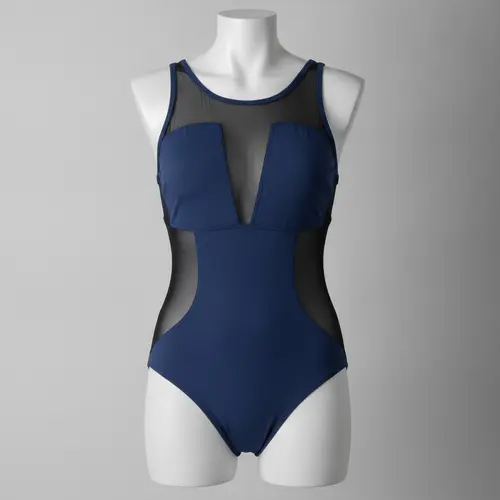
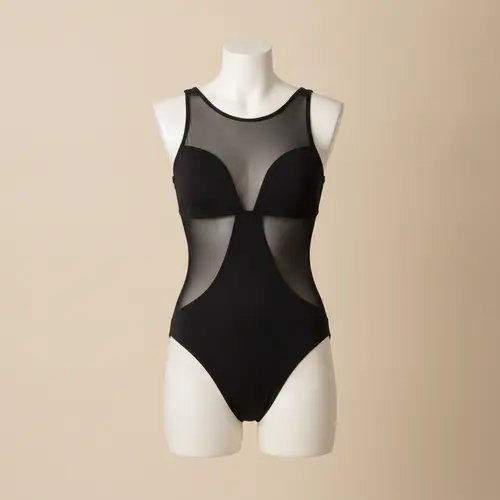
The Seam Where Mesh Meets Solid Fabric
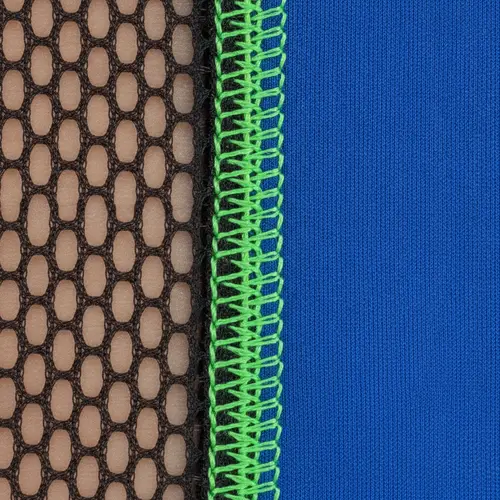
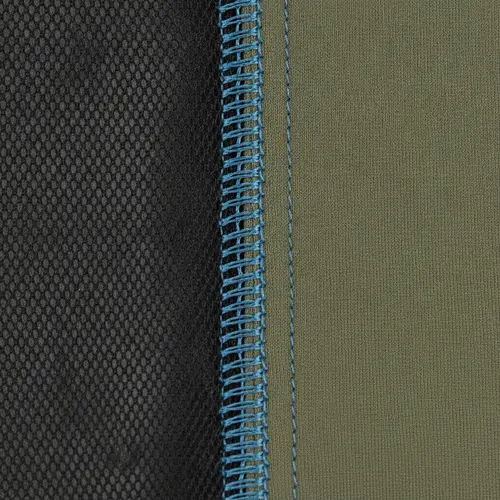
The obvious concern with splicing a mesh panel into a solid-fabric garment is that the two materials don't necessarily stretch or behave identically, which sounds like it should call for a special reinforcement technique at the join. Based on real construction experience, it doesn't — a standard flatlock or coverstitch seam, the same construction we've covered in detail for swimwear seams generally, handles a mesh-to-solid join without needing a different technique. This is worth knowing before assuming mesh paneling adds a real construction premium — the seam itself isn't the added-cost or added-risk factor some trend coverage implies.
Sheer Mesh and Support: A Design Choice, Not a Fixed Rule
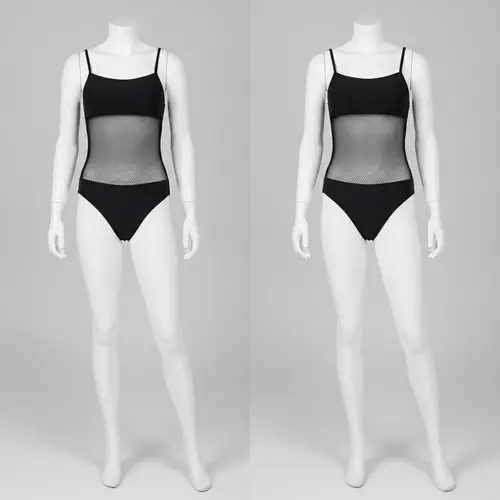
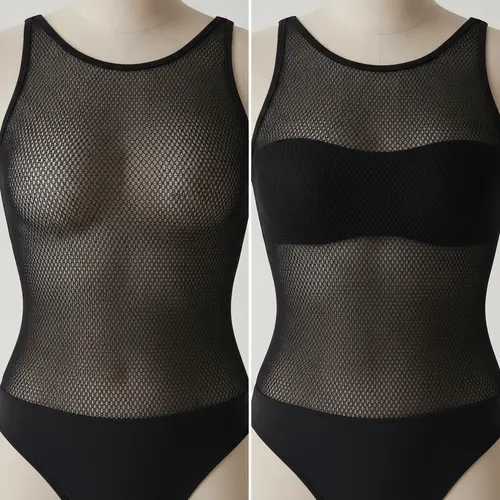
The other assumption worth checking is whether a transparent or semi-transparent mesh panel automatically requires extra lining or a different support structure underneath it, the way a support-focused style might need extra reinforcement. In practice, there's no default rule requiring this — whether a sheer mesh area gets additional lining or support treatment depends on what the specific design calls for, not a fixed engineering requirement that applies to every sheer panel. A client wanting a fully sheer, unlined mesh section and a client wanting mesh over a supportive lining are both realistic, buildable requests — it's a design decision made per style, not a technical constraint mesh construction imposes by default.
What This Means for Sourcing
If a factory is pricing mesh-paneled styles at a significant premium and pointing to "special construction" as the reason, it's worth asking specifically what that special construction actually is — based on real experience, the seam itself doesn't require anything beyond standard flatlock or coverstitch, and support/lining decisions are a per-design choice rather than an automatic added step. The real cost variable is more likely the mesh fabric itself and any additional lining a specific design calls for, not a hidden construction complexity.
Mesh splicing sits alongside cut-out construction in the same general category of "showing skin through the garment" — see how a cut-out edge actually gets reinforced for the related but distinct construction question that applies when the opening has no fabric at all, rather than a sheer mesh panel.
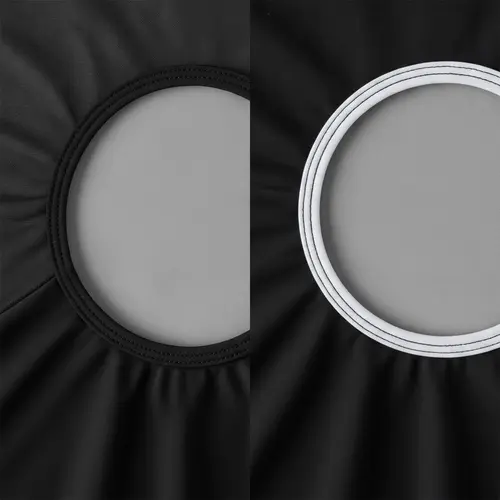
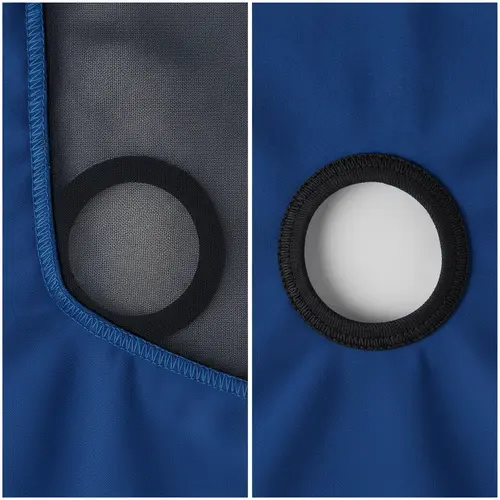
This is one entry in the full real construction guide organized by swimwear type, covering the techniques that apply across multiple silhouettes rather than being tied to one specific style.
FAQ
Q: Does splicing mesh into a swimwear panel require a special seam technique?
A: No — based on real production experience, a standard flatlock or coverstitch seam handles a mesh-to-solid fabric join without needing a different or reinforced technique.
Q: Does a sheer mesh panel always need extra lining or support underneath it?
A: Not by default. Whether to add lining or support behind a sheer mesh area is a design decision made per style, not a fixed rule mesh construction requires across the board.
Q: Why would a factory charge more for a mesh-paneled style?
A: The real cost drivers are more likely the mesh fabric itself and any additional lining a specific design calls for — not a hidden seam or construction complexity, since standard seam techniques handle the mesh-to-solid join.
Q: Is mesh splicing the same construction question as a cut-out?
A: Related but distinct — both show more skin than a fully solid panel, but a cut-out has no fabric at all in that area (needing edge reinforcement), while mesh splicing joins two different fabric types along a seam.
Q: Is mesh paneling a passing trend or a lasting category?
A: Current 2026 trend coverage treats it as a defining direction for the season rather than a one-off — it's showing up across multiple independent sources, not a single brand's styling choice.
Designing a mesh-paneled style and want a straight read on what it actually costs to build? Send us the design — we'll tell you honestly what's fabric cost and what's construction.