
Swimwear Industry Trends: What Actually Affects Sourcing
Most "industry trends" content is either too broad to act on or too shallow to trust. This page is where we track the developments that actually change how you should be sourcing swimwear — tariff policy, manufacturing technology, supply chain structure — with enough specificity to actually inform a decision, not just fill a content calendar.
What We Track Here, and Why
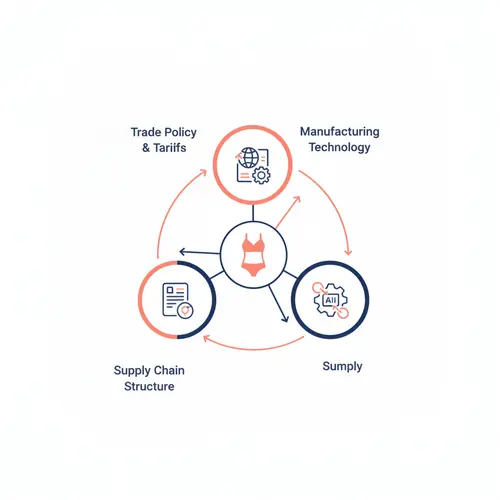
Trend content is only useful if it changes what you'd actually do next. We focus on developments in three areas:
Area | Why It Matters to Sourcing |
|---|---|
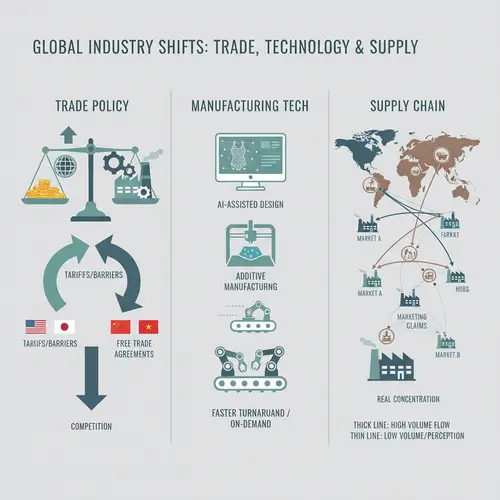
**Trade policy and tariffs** | Directly changes landed cost and which sourcing structures (direct factory vs. trading company vs. diversified country) make financial sense |
**Manufacturing technology adoption** | AI-assisted design and production tools are changing turnaround times and what's technically feasible — but not evenly across the industry |
**Supply chain structure shifts** | Where raw materials, technical capability, and MOQ flexibility are actually concentrated, versus where the marketing says they are |
A Real Example From This Coverage
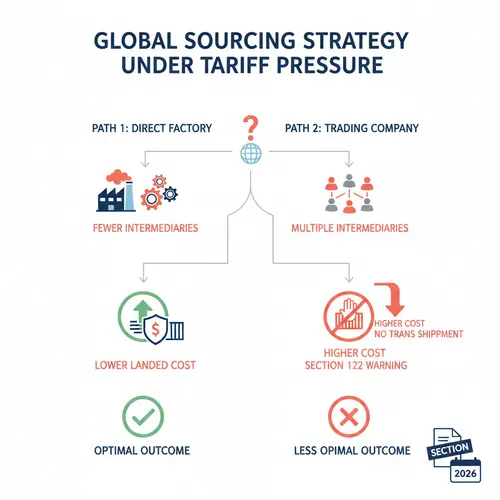
Why direct factory sourcing matters as tariff policy keeps shifting — a detailed breakdown of the Section 122 tariff timeline, the real cost math behind direct-factory versus trading-company sourcing, and an honest look at why transshipment isn't a viable workaround under current enforcement. This is the kind of analysis we aim to keep producing here: specific, dated, and tied to an actual sourcing decision rather than general commentary.
 Recycled elastane is real now — what sourcing it actually looks like — named-brand adoption (Speedo, Panache), real MOQ and pricing mechanics, and the polyester-versus-nylon gap most sustainability coverage skips entirely.
Bio-based elastane is real now — what it actually solves — Arena's corn-derived Lycra EcoMade collection, how bio-based differs from recycled, and why chlorine resistance is a separate question from sustainability sourcing.
One 2026 trend worth watching closely: tariff pressure is pushing many factories toward higher minimum orders and longer contracts. See what we found when we checked our own numbers against that trend.
This Page Will Keep Growing
Unlike a static trend report, this is a living page — as trade policy shifts, as manufacturing technology changes what's feasible, and as we observe real changes in how the industry operates, we'll add to it. If you're evaluating a sourcing decision and want to know whether something you've read elsewhere is actually still current, this is a reasonable place to check.
FAQ
Q: How often is this page updated?
A: As genuinely significant developments happen — we're not publishing on a fixed schedule just to have new content, since that works against the goal of this page staying trustworthy.
Q: Is this analysis specific to swimwear, or general apparel commentary?
A: Specific to swimwear and adjacent categories (activewear, resortwear) wherever possible — general apparel trend content is easy to find elsewhere, and it often misses category-specific details, like the technical capability advantages that matter for stretch-knit construction.
Q: Can I ask about a specific trend or policy change not covered yet?
A: Yes — reach out directly. If it's relevant to sourcing decisions our clients are actually making, it's worth covering here.
Trying to understand how a specific industry shift affects your sourcing plan? Reach out — we'll walk through the real implications, not just the headline.