
Bio-Based Elastane Is Real Now — What It Actually Solves
Byoyoyi.ai— written with AI-assisted research, reviewed and fact-checked in-house.
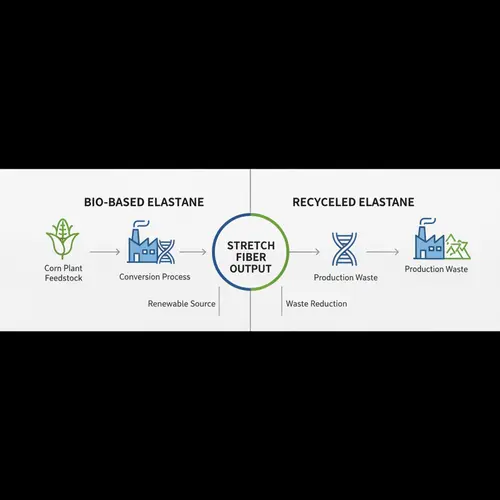
Arena — a real, established competitive swimwear brand — just launched a collection using LYCRA EcoMade fiber, made from 70% renewable, plant-based feedstock (primarily industrial corn). We've written before about recycled elastane becoming real; this is a genuinely different technology, not the same story with a new name. Recycled elastane is made by reclaiming waste from existing production. Bio-based elastane is made by changing what the raw material is in the first place — plant feedstock instead of fossil-based inputs. Both are real, current sourcing options, but they solve different problems, and neither one automatically answers the question that actually matters for swimwear specifically: does it hold up in chlorinated water.

Why That Question Isn't Paranoia — It's the Right Question
Here's a fact worth knowing before evaluating any new elastane technology for swim: elastane is typically the first fiber to degrade in a chlorinated pool environment, not the last. In blended swim fabric, chlorine forms hypochlorous acid, which chemically breaks down polymer bonds — and elastane is generally the most vulnerable component in that process. One competitive swimwear durability study found up to a 60% loss in fabric strength after 300 hours in chlorinated water for elastane-heavy blends, and a 100%-Lycra garment can start sagging after just a few weeks of regular pool use, compared to a 100% polyester garment lasting three to four times longer. This is exactly why established chlorine-resistant swim technologies — like Arena's MaxLife (a proprietary, largely polyester-based fabric) or LYCRA XTRA LIFE (a specific chlorine-resistant elastane variant) — exist as named, tested solutions in the first place: standard elastane genuinely isn't chlorine-durable on its own, regardless of source material. It's a similar durability-first mindset to the fabric requirements we've written about for training-level competitive swimwear — chlorine resistance isn't assumed, it's specifically engineered and tested for.
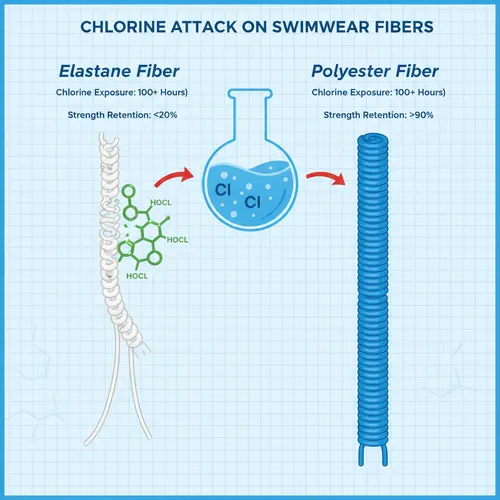
So when a new elastane technology launches — bio-based or recycled — "does it stretch" isn't the real question. "Does it hold up to the same chlorine/UV/sun-cream exposure as the elastane it's replacing" is the real question, and it's a fair one to ask regardless of how sustainable the sourcing story sounds.
What the Manufacturer Is Actually Claiming
To their credit, this isn't left unaddressed: Arena and The LYCRA Company's own announcement states the new fiber offers "the same performance as the original LYCRA and proven resistance to degradation caused by chlorine, UV rays, and sun creams." That's a real, specific claim — not just a general sustainability statement — and it directly answers the durability question this article opened with. LYCRA's own technical documentation on swimwear fibers confirms chlorine resistance is treated as a distinct, separately-engineered property across their fiber lineup — not something that comes automatically bundled with any given sourcing story.
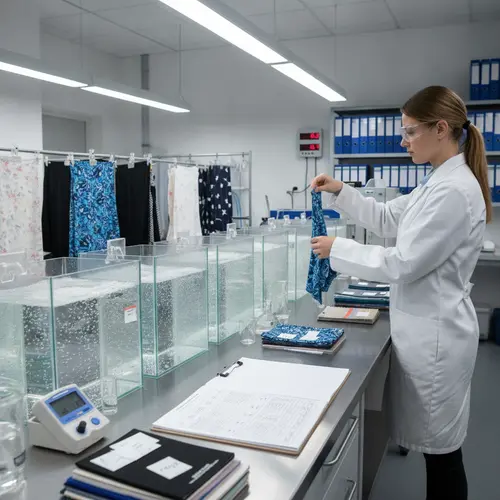
The appropriate response to a claim like that is the same one we'd apply to any supplier claim: it's the manufacturer's own statement, not independent third-party verification. The same verification discipline we've written about with recycled fabric certificates applies here — a "proven resistance" claim is a reasonable starting point, but a buyer sourcing this fiber for a real production run should ask for the actual test data (hours of chlorine exposure, percentage strength retention) rather than treating the marketing statement as the test result itself.
Bio-Based vs. Recycled: Not the Same Sourcing Story
It's worth being precise about the distinction, since both terms get used loosely:
Bio-Based Elastane | Recycled Elastane | |
|---|---|---|
Raw material source | Renewable plant feedstock (e.g., corn) replacing fossil-based inputs | Reclaimed waste from existing production processes |
What it reduces | Dependence on virgin fossil resources | Production waste going to landfill |
Example | LYCRA EcoMade (Arena collection) — 70% corn-derived | Hyosung regen™ — RCS-certified reclaimed elastane |
Chlorine resistance | Manufacturer claims parity with standard LYCRA — worth requesting test data | Same verification principle applies |
Neither is "more sustainable" than the other in a simple ranking — they address different parts of the supply chain, and a brand's sustainability story might reasonably use either, or both, depending on what claim they're trying to support.
Where We Stand on This Honestly
We haven't worked with bio-based elastane fabric directly, and we want to be straightforward about that rather than claim experience we don't have. What we can say with confidence, independent of this specific fiber: elastane content generally needs chlorine-specific validation before being trusted in a swim application — that's true of any elastane, bio-based, recycled, or standard. The general presence of stretch in a fiber doesn't by itself confirm swim suitability; those are two different properties, and it's worth treating them as two separate questions when evaluating a new material. This is exactly the kind of supply chain shift worth tracking as part of the broader industry picture — not because every new fiber technology needs to be adopted immediately, but because knowing what questions to ask before a supplier pitches you on the next one is worth more than the pitch itself.
Fiber sourcing decisions like this sit alongside a separate, more common question we get from clients: whether to pay a premium for a branded fiber like Lycra at all, regardless of whether it's bio-based, recycled, or standard. See where that premium actually comes from if brand versus generic is the more immediate decision in front of you.
There's also a processing-stage question worth flagging separately from sourcing itself: whatever elastane you choose, recycled fiber in particular carries less tolerance for the added heat that some printing methods involve. See why recycled fabric changes which printing method actually makes sense if your collection is both recycled-content and print-driven.
FAQ
Q: Is bio-based elastane the same thing as recycled elastane?
A: No — bio-based elastane changes the raw material source to renewable plant feedstock (like corn), while recycled elastane reclaims waste from existing production. Both reduce environmental impact in different ways and aren't interchangeable claims.
Q: Does having elastane in a fabric mean it's suitable for swimwear?
A: Not automatically. Elastane is typically the fiber most vulnerable to chlorine degradation in a blended fabric — general stretch performance and swim-specific chlorine durability are two different properties that need to be evaluated separately.
Q: How much fabric strength can be lost to chlorine exposure?
A: One competitive swimwear study found up to 60% strength loss after 300 hours in chlorinated water for elastane-heavy blends — which is why chlorine-specific fiber technologies (like LYCRA XTRA LIFE) exist as a distinct category from standard elastane.
Q: Should I trust a manufacturer's claim that a new elastane fiber is chlorine-resistant?
A: Treat it as a starting point, not confirmation — ask for the actual test data (hours of exposure, percentage strength retention) behind the claim, the same way you'd verify any other fabric certification or performance statement.
Q: Is bio-based elastane widely available for smaller swimwear brands yet?
A: Based on current public information, it's newly launched through a named brand collaboration (Arena and The LYCRA Company) — availability and minimum order requirements for smaller brands aren't yet well documented publicly, and would be worth confirming directly with suppliers as the technology matures.
Evaluating a new sustainable fiber for your next collection and want help separating the real performance data from the marketing claim? Send us what you're looking at — we'll help you figure out what questions to ask before you commit.