
Tankini Swimwear: The Real Construction and Who It's For
Tankini is having a real, documented resurgence in 2026 — multiple independent fashion outlets, including Vogue Scandinavia, are covering it as a genuine trend comeback, not a niche throwback. A tankini pairs a tank-style top with a separate bikini bottom, sized independently — the core functional appeal SwimOutlet highlights is exactly that independent sizing, the same real logic behind why we sell tops and bottoms as separates rather than fixed sets: bust and hip measurements don't always fall in the same size range.

The Real Construction: Not That Different, Just More Fabric
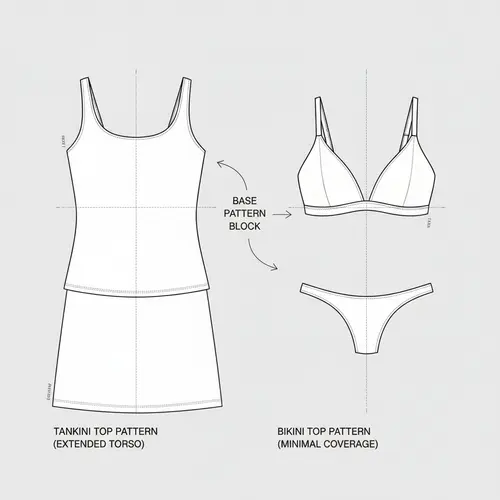
Based on real production experience, a tankini top built on a standard base pattern isn't a fundamentally different construction from a bikini top — the difference isn't large. The main real difference is that it uses more fabric, the same pattern we've found across one-piece vs. bikini and other coverage comparisons: more coverage generally means more material, not a fundamentally harder build.
The Construction Difference That Actually Matters: Built-In Support
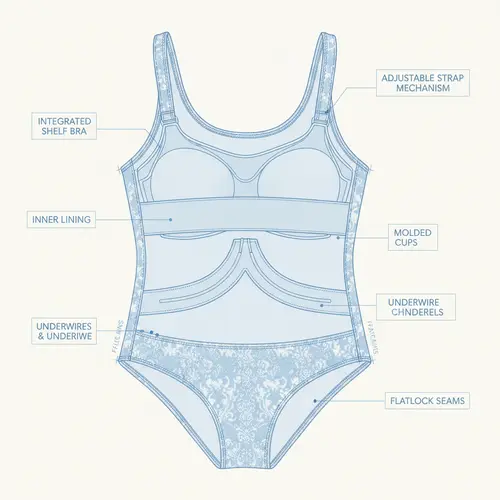
There is one real, meaningful construction difference worth knowing: tankini tops typically build in structural support by default, where a standard bikini top — triangle, bandeau, halter — often doesn't include that as a baseline feature. This tracks with what shows up across the market: tankini tops are commonly built with a shelf bra, molded cup, or underwire integrated into the construction, applying the same real structural elements — support, coverage, and stability — as a default expectation for the style rather than an upgrade.
Who Actually Buys Tankinis — Verified, Not Assumed
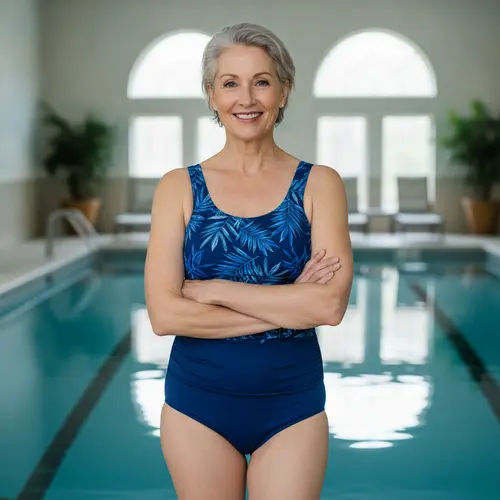
It's worth being specific about who this style is really built for, because the answer is more concrete than "anyone who wants more coverage." Real market coverage consistently points to an older female demographic — CNN Underscored's coverage of swimsuits for women over 40, and multiple independent guides specifically written for women in their 50s, 60s, and beyond, repeatedly feature tankinis as a primary recommended category. The real, recurring reasons cited: coverage for midsection concerns, genuine suitability for lap swimming and indoor pool use rather than just poolside lounging, and the practical convenience of not having to fully undress for a restroom break — a real, repeatedly cited functional advantage over a one-piece.
What This Means for Sourcing
If you're developing a tankini line, the fabric-quantity increase is a straightforward cost input, similar to sizing up any style — the real design decision worth spending time on is the support construction, since that's what buyers in this category are actually evaluating a tankini against, more than fit alone. A tankini marketed without any real built-in support structure is missing the feature most likely to matter to the customer actually buying it.
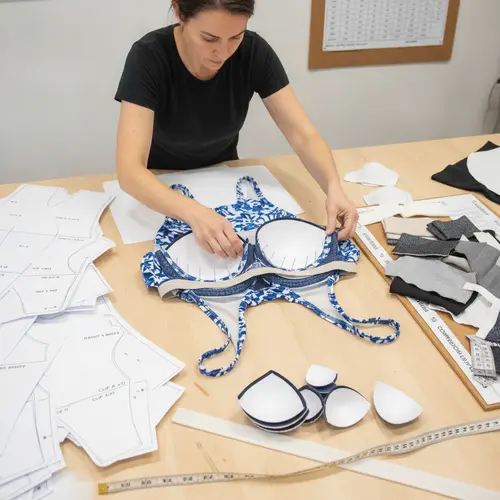
This is one entry in the full real construction guide organized by swimwear type.
FAQ
Q: Is a tankini top much harder to construct than a bikini top?
A: Not fundamentally — the base construction is similar. The main real difference is fabric quantity, since a tankini top covers more of the torso.
Q: Do all tankini tops have built-in support?
A: Not universally, but it's a common default expectation for the category — many tankini tops integrate a shelf bra, molded cup, or underwire as standard, unlike a basic bikini top which often doesn't include structural support by default.
Q: Who is the real target customer for tankini swimwear?
A: Market data consistently points to an older female demographic, particularly women in their 40s through 70s, who value midsection coverage, support suited to lap swimming or indoor pool use, and the convenience of easier bathroom access compared to a one-piece.
Q: Why do tankinis pair with bikini bottoms rather than a fixed matching design?
A: For the same reason we sell separates generally — independent top and bottom sizing solves for bust and hip measurements that don't always fall in the same size range, which is especially relevant for the tankini's core customer base.
Q: Is tankini really trending again in 2026, or is that overstated?
A: It's a real, multi-source trend — independent fashion and lifestyle outlets are covering it as a genuine comeback category, not a single brand's marketing push.
Developing a tankini line and want the support construction and sizing approach right for your target customer? Send us your design — we'll walk you through what actually matters for this category.