
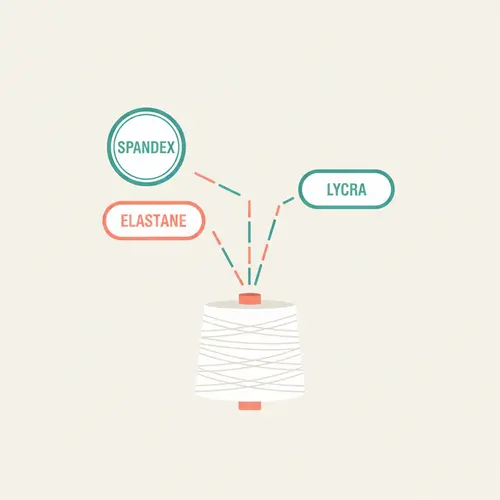
Spandex vs. Lycra in Swimwear: Where the Premium Comes From
Spandex, elastane, and Lycra are the same fiber. In real sourcing, branded Lycra costs ¥30-50 more per kg — here's when that premium is actually worth paying.
o
oyoyi.aiSpandex, elastane, and Lycra are the same fiber. In real sourcing, branded Lycra costs ¥30-50 more per kg — here's when that premium is actually worth paying.
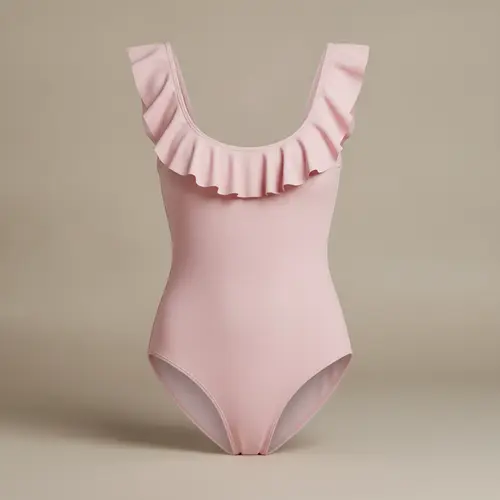
Ruffle swimwear is built two real ways — gathered from the fabric itself or a separately cut strip sewn on — chosen per style, not one fixed method.
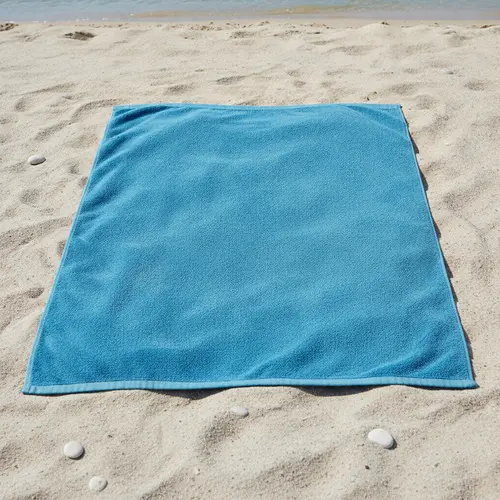
Woven-pattern beach towels cost $800 with a 200-piece MOQ — a real weaving technique, not printing. Here's what solid color costs by comparison.
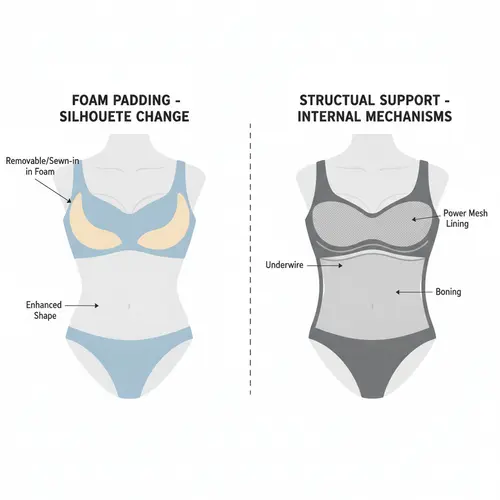
Custom padding molds cost $400 per size, with no MOQ — and the full fee gets rebated once cumulative orders hit 20,000 units. Here's how it works.
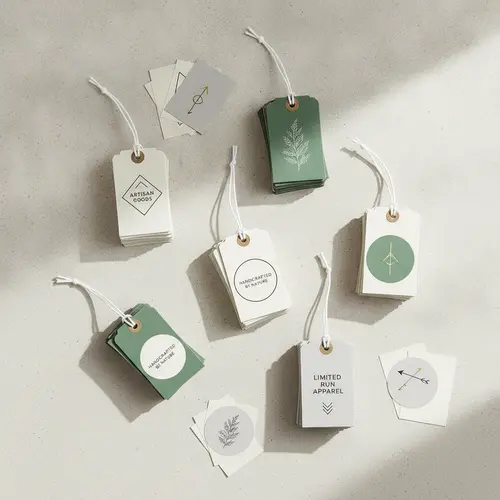
A $50 mold fee is the real starting cost for custom swimwear hang tags. Here's the actual MOQ, material factors, and when pricing goes higher.
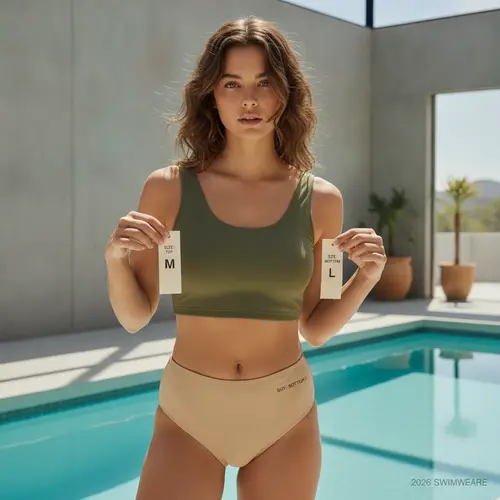
A tankini uses more fabric than a bikini top and typically builds in support by default. Here's the real construction gap, and who actually buys them.
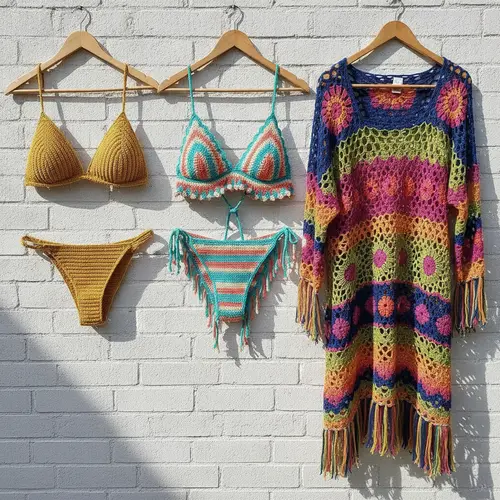
swimwear isn't made in-house by swim factories — it's outsourced to knitwear makers or artisans. Here's the real process and sample pricing.
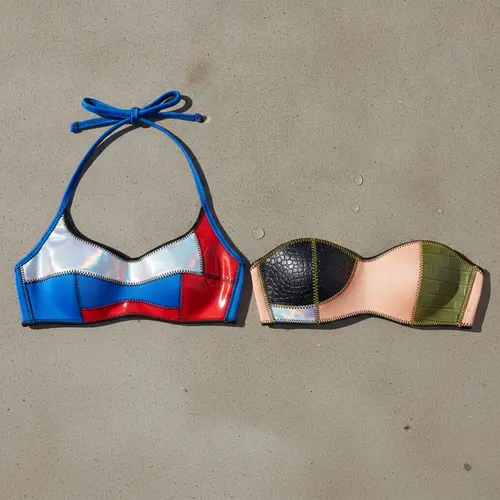
Neoprene bikinis are a real, price-premium category. The real construction: laminated fabric, binding finishes, and why it's rarely built as a one-piece.
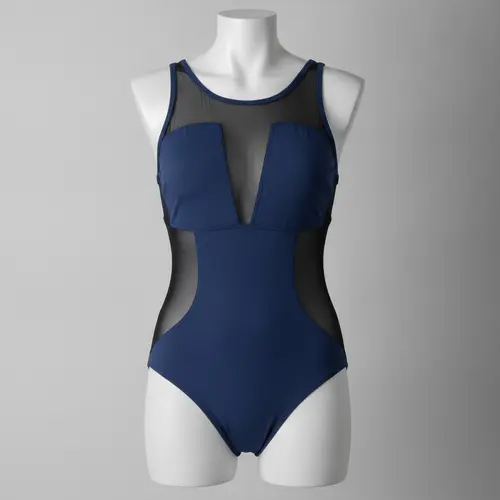
Mesh panels are a real, current swimwear trend. Real construction experience says standard seams handle it fine, no special technique required.
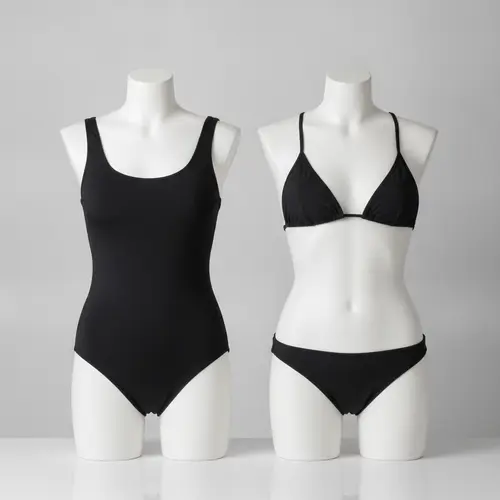
Manufacturers often claim one-piece swimwear is much harder to build than bikinis. Real production experience says the difficulty gap is overstated.