

Ruffle Swimwear Construction: Gathered vs. Sewn-On Strip
Ruffle swimwear is built two real ways — gathered from the fabric itself or a separately cut strip sewn on — chosen per style, not one fixed method.
o
oyoyi.aiRuffle swimwear is built two real ways — gathered from the fabric itself or a separately cut strip sewn on — chosen per style, not one fixed method.

A tankini uses more fabric than a bikini top and typically builds in support by default. Here's the real construction gap, and who actually buys them.
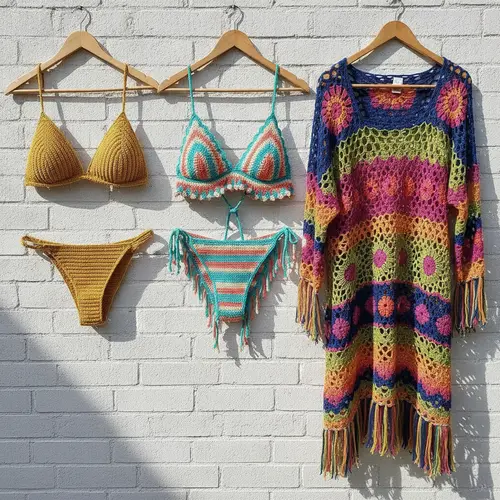
swimwear isn't made in-house by swim factories — it's outsourced to knitwear makers or artisans. Here's the real process and sample pricing.
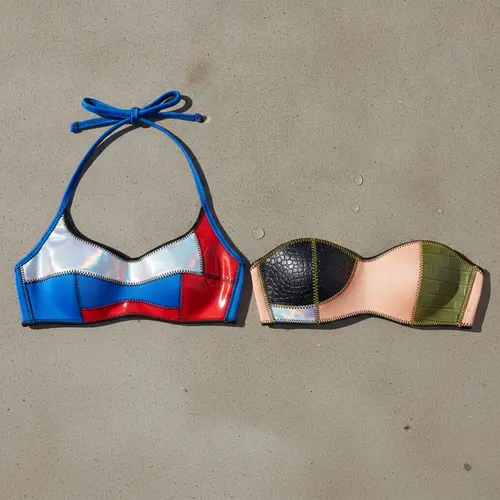
Neoprene bikinis are a real, price-premium category. The real construction: laminated fabric, binding finishes, and why it's rarely built as a one-piece.
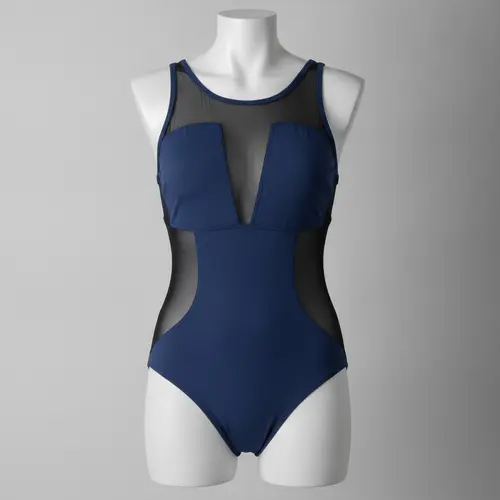
Mesh panels are a real, current swimwear trend. Real construction experience says standard seams handle it fine, no special technique required.
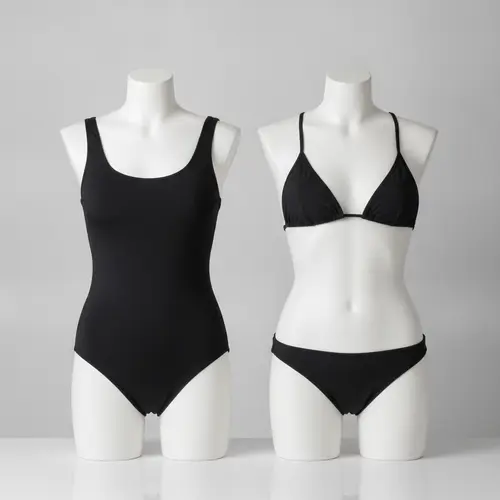
Manufacturers often claim one-piece swimwear is much harder to build than bikinis. Real production experience says the difficulty gap is overstated.
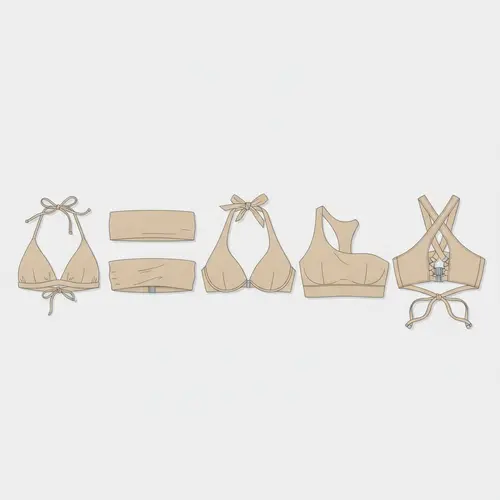
Automated cutting makes every bikini top style equal there — fabric use and assembly time actually drive cost, and underwire tops cost the most to build.
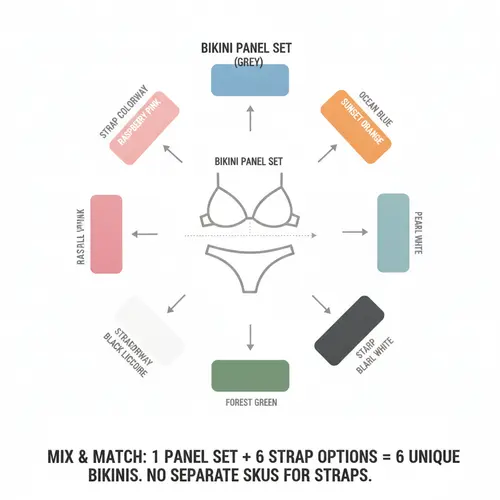
Bikinis with detachable, customer-length straps sold separately are a real, repeat request. Here's the actual construction behind it, and real pricing.
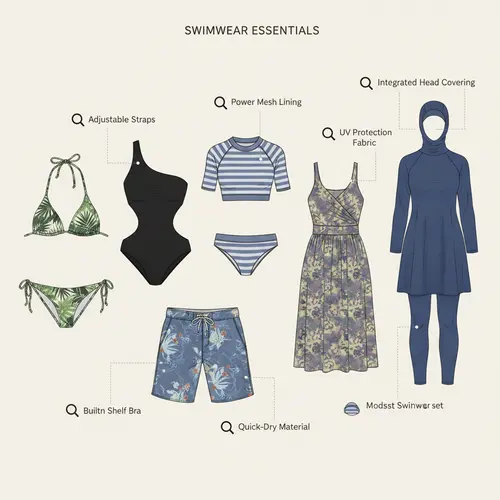
Real construction breakdowns organized by swimwear type — trunks, compression, period-proof, cut-out, and more — for whatever you're actually trying to build.
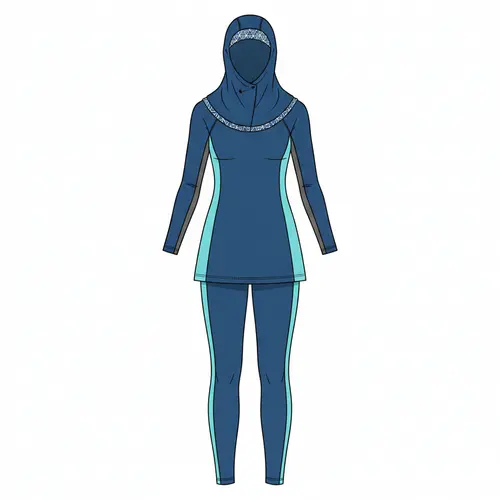
Modest swimwear isn't just more fabric — the real construction challenge sits at the underarm. Here's what actually changes, including real headscarf specs.