
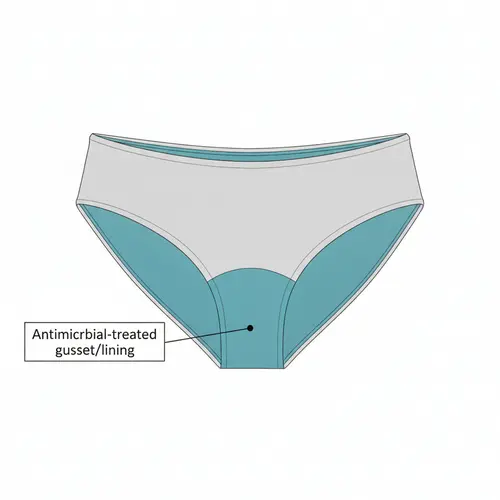
Antimicrobial Swimwear Fabric: What Is Actually Treated?
Antimicrobial swimwear fabric is used in our gusset lining, not the whole suit. Learn what supplier claims mean and what to verify before making a brand claim.
O
OYOYIAntimicrobial swimwear fabric is used in our gusset lining, not the whole suit. Learn what supplier claims mean and what to verify before making a brand claim.
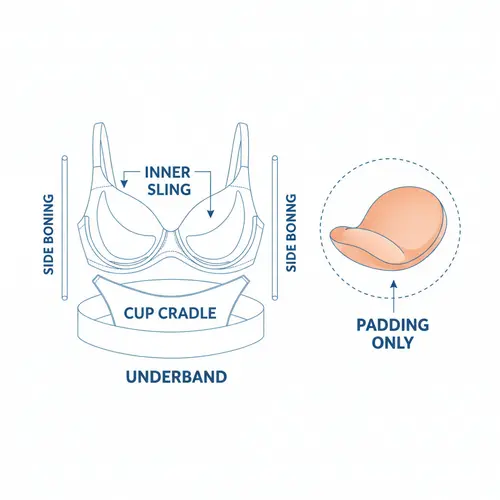
Gusset, underwire, hardware, seams: what each swimwear part actually is, the real construction risk behind it, and where we've broken down the full data.
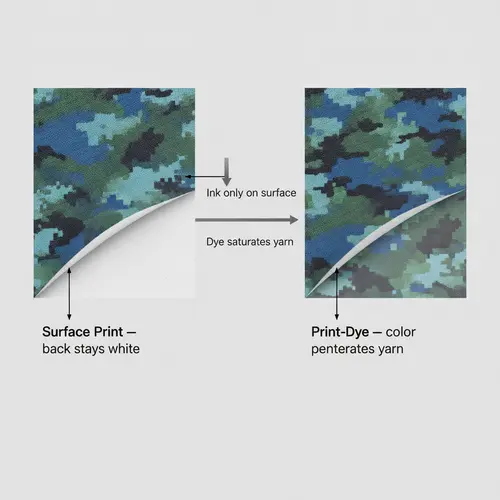
Nylon swimwear uses direct-injection print-dye, not standard digital printing. Check the fabric's back: color through means penetration, white means surface print.
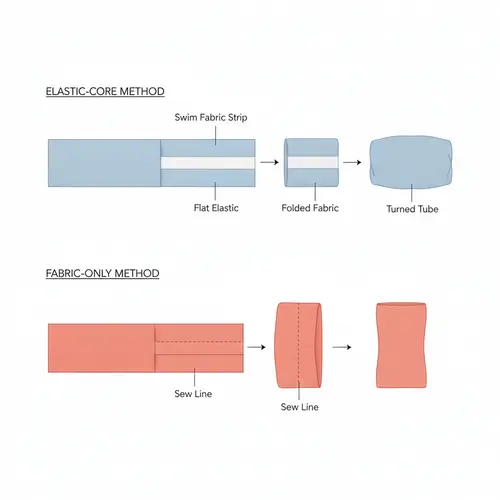
An elastic-core strap recovers better under repeated pulling; a fabric-only tube lets customers cut it to length without exposing a core. How each is built.
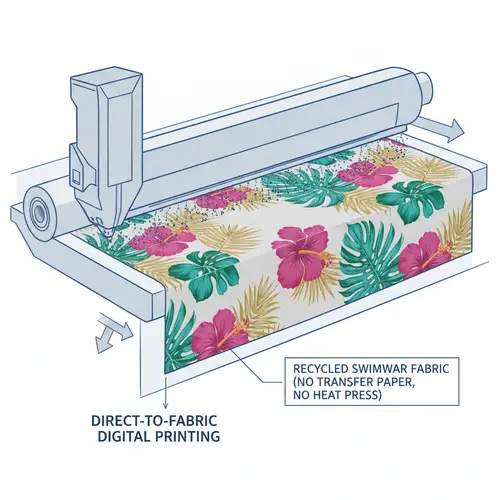
Recycled swim fabric is more heat-sensitive than virgin polyester. How digital, sublimation and heat transfer printing compare, and which one holds up.
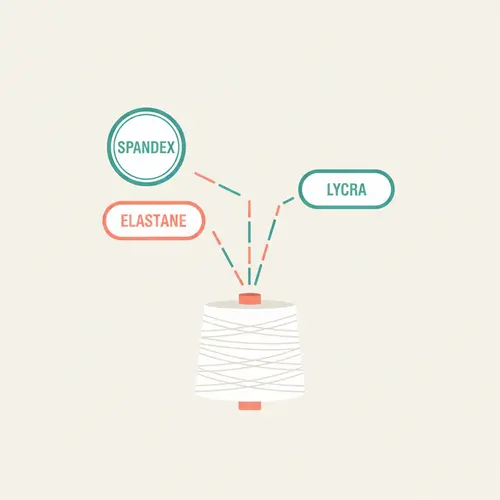
Spandex, elastane, and Lycra are the same fiber. In real sourcing, branded Lycra costs ¥30-50 more per kg — here's when that premium is actually worth paying.
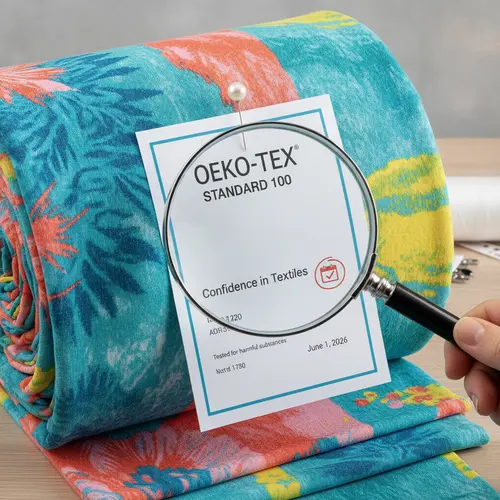
OEKO-TEX's 2026 update tightened chemical limits and now requires full wet-processing certification by 2027. Here's what actually applies to swimwear buyers.
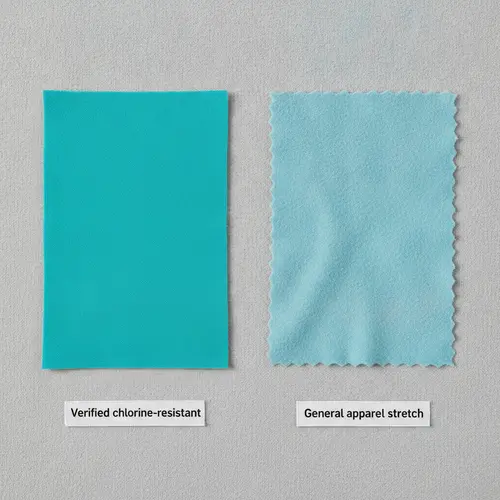
Chlorine resistance is baseline for swimwear fabric, not premium. Real vs. claimed chlorine-resistant fabric costs about $0.25 more per bikini — here's why.
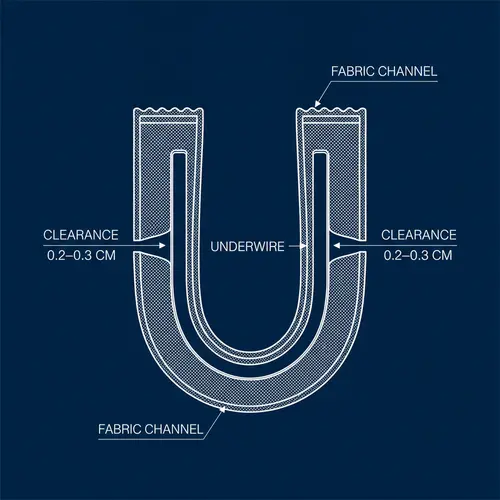
Underwire poking through swimwear usually isn't a wire problem. Real stainless steel wire barely varies in price — the real cause is almost always construction.
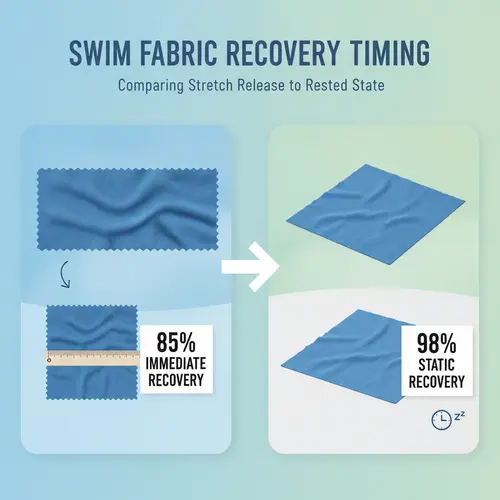
Fabric recovery and garment recovery are different questions. The real numbers behind stretch recovery, what actually damages it, and why cheap fabric fails.