
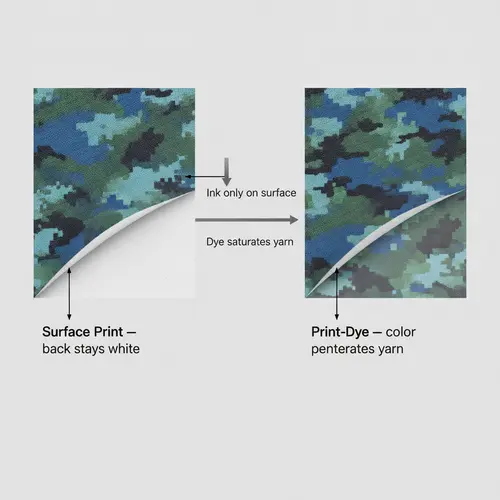
Nylon Direct-Injection Print-Dye vs. Digital Printing: The Backside Test
Nylon swimwear uses direct-injection print-dye, not standard digital printing. Check the fabric's back: color through means penetration, white means surface print.
o
oyoyi.aiNylon swimwear uses direct-injection print-dye, not standard digital printing. Check the fabric's back: color through means penetration, white means surface print.
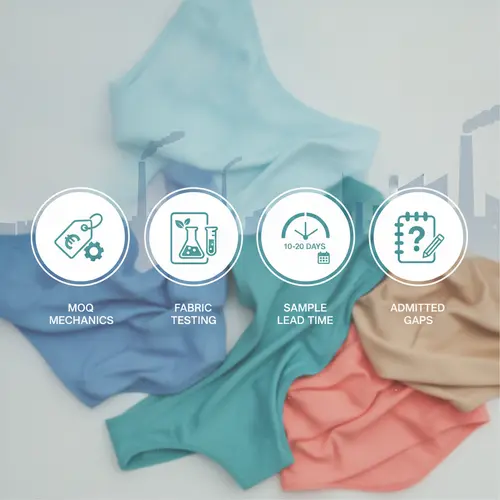
Real questions to ask a swimwear factory before you commit: MOQ logic, lab testing, sample lead time, and how honest they are about what they don't know.

Tan-through swimwear is real mesh construction, not a lab-tested UV claim. The honest fabric mechanism, the double-layer fix for see-through, and real pricing.
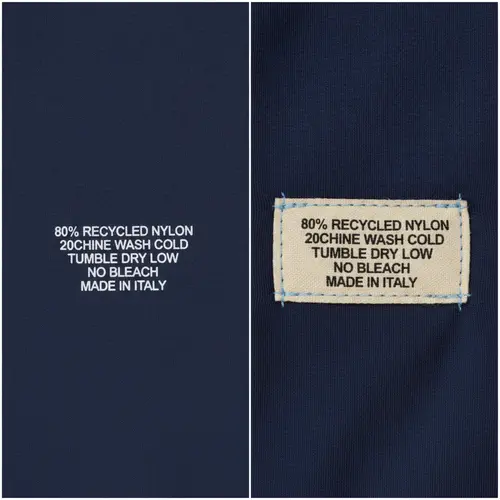
Heat-transfer care labels have no MOQ and cost about $0.5 each; sewn labels start around 2,000 pieces. Real per-piece costs, US rules, and how to choose.
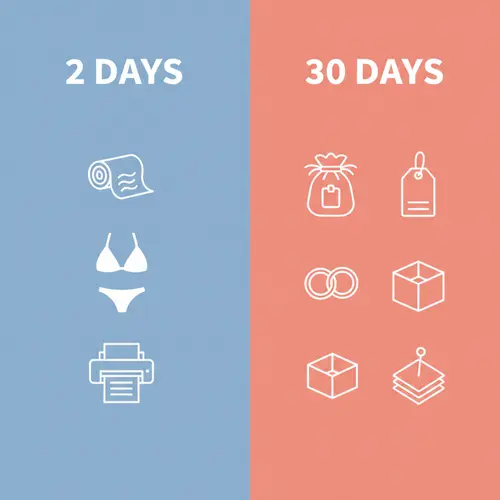
A real swimwear sample took 2 days; another project took 30. See what drives sample time: stock vs custom fabric, print queues, hardware and revision rounds.
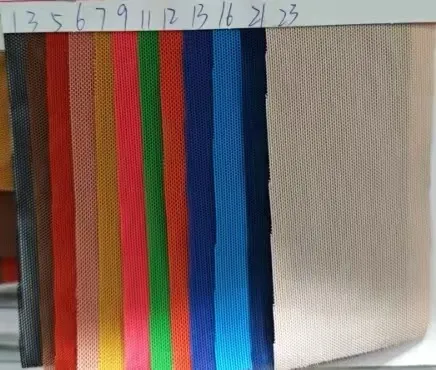
A 20 kg swimwear fabric roll (158 cm, 190–200 GSM) makes about 100–160 one-pieces. Real yield per style, ¥20/m short-cut pricing, and custom dye fees.
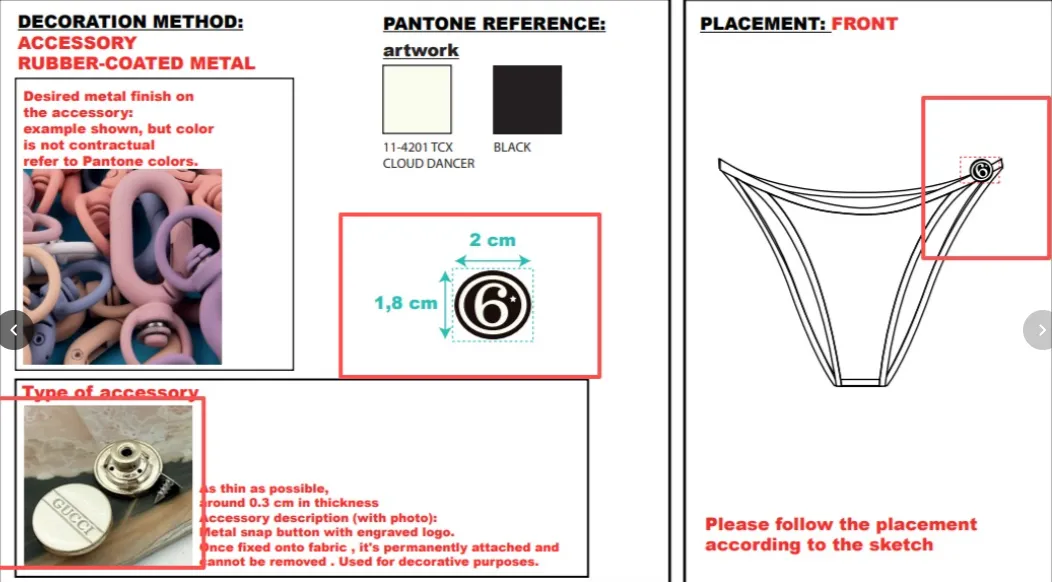
An approved sample only proves one version worked once. Why stretch fabric cutting and molded cups are where swimwear consistency actually breaks at scale.
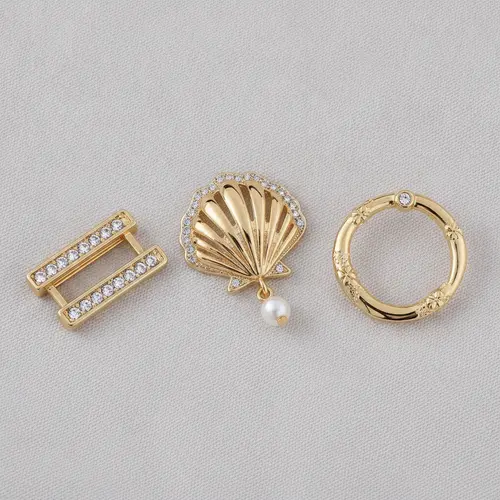
Custom hardware mold fees run about $80-100, a one-time cost, which is why there's no fixed MOQ, only tiered per-unit pricing. How the process actually works.
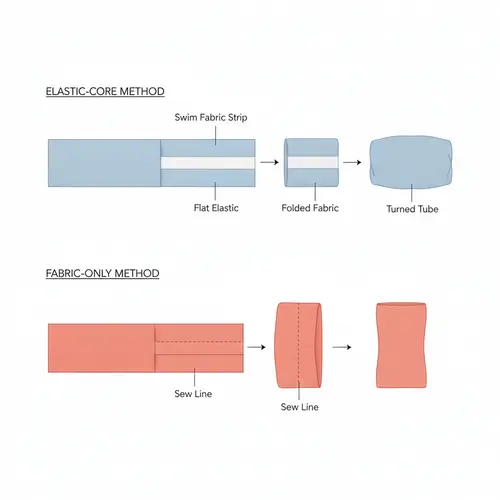
An elastic-core strap recovers better under repeated pulling; a fabric-only tube lets customers cut it to length without exposing a core. How each is built.
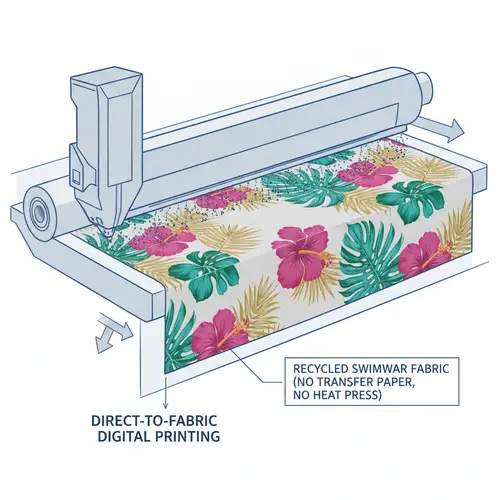
Recycled swim fabric is more heat-sensitive than virgin polyester. How digital, sublimation and heat transfer printing compare, and which one holds up.